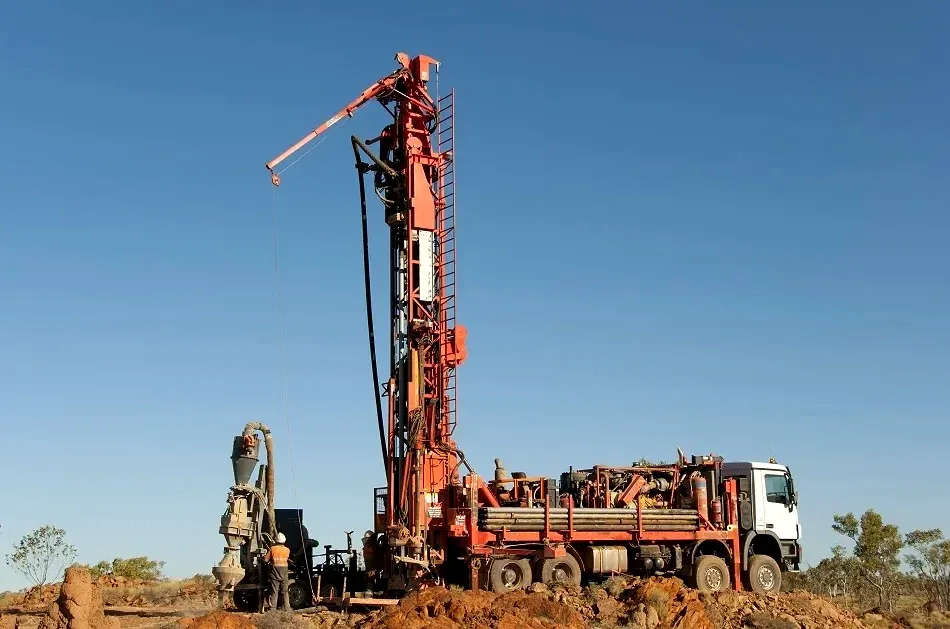
Drilling & field equipment rental
Reverse-circulation rigs and excavators, fully operated by our experienced field team and available for your project. Day, week or month.
RC drillingTracked excavatorsOperated by our crews
Reverse-circulation rigs and excavators, fully operated by our experienced field team and available for your project. Day, week or month.
Every machine we rent goes out with our own operator. This is not a hire desk. There is no arrangement in which a rig leaves our yard and we find out later what happened to it.
The reason is practical. An RC rig run by an unfamiliar crew produces bad samples long before it produces a breakdown, and bad samples are more expensive than a broken rig because you act on them. Our operators log the hole as they drill it.
Rates are quoted by the day, the week or the month, inclusive of operator, fuel policy and maintenance. Mobilisation is quoted separately and stated as a number, not as a percentage of something.
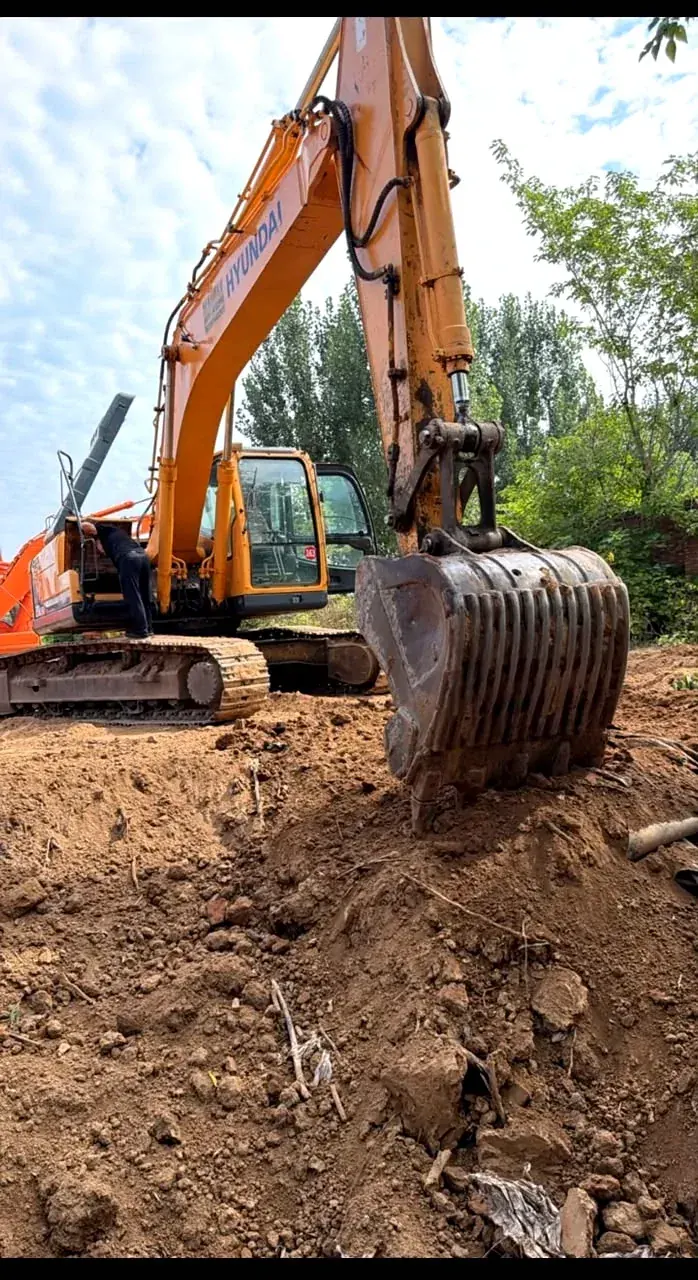
Owned, maintained and operated by us. If a machine is not on this list we will tell you rather than hire one in and add a margin.
Four stages, each with a document. The paperwork exists so that the argument at the end of the job does not.
Location, duration, ground conditions and access. We will tell you within two working days whether the machine can physically get there.
Day, week or month rate with the operator included, plus mobilisation as a separate stated figure and a fuel and consumables policy.
Machine and crew mobilise. Daily plant sheets are signed on site: hours, metres, downtime and cause.
Demobilisation, final plant sheet reconciliation and, for drilling, the complete hole log with recovery.
Stated here so that the first conversation can be about the work rather than about how we charge for it.
| Term | What it means |
|---|---|
| Rate basis | Day, week or month, operator included |
| Minimum hire | Five working days for drilling; three for earthmoving |
| Mobilisation | Quoted as a fixed figure from the nearest base, both ways |
| Fuel | Either supplied by you on site or billed at cost: stated in the quote, never assumed |
| Maintenance | Ours. Scheduled downtime is not billed |
| Standby | Billed at a reduced rate where the delay is on your side and agreed in writing on the day |
| Coverage | Tanzania, Sudan, Gambia and neighbouring ground by arrangement |
No. The operator is part of the machine as far as we are concerned, and the rate reflects that. It is the single largest factor in whether a rig comes back working and whether the samples are usable.
Ground conditions that stop progress are recorded on the daily plant sheet and priced as standby, not as drilling. We would rather agree that on the day than argue it at invoicing.
From the Mbeya base, typically two to three weeks including permits and transport. Sudan and Gambia depend on the border crossing and are quoted case by case.
For straightforward programmes, yes. Where ground conditions are unknown we prefer a day rate, because a metreage rate in unknown ground is priced for the worst case and you pay for it whether or not it happens.
Send the location, the dates and what you need drilled or moved. A written rate, including operator and mobilisation, comes back within two working days.